
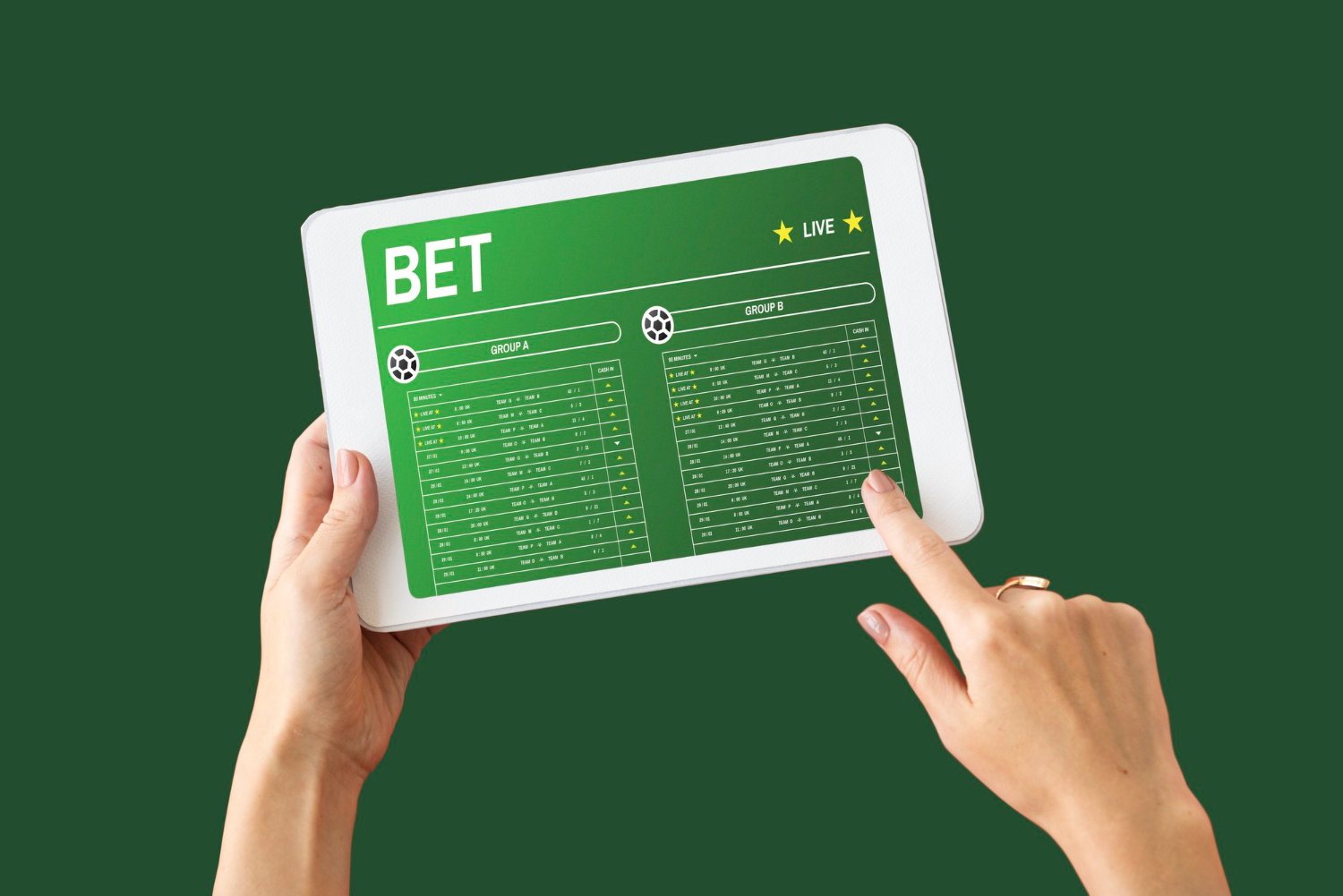
Emotions rise. Decisions feel urgent. In-play betting happens fast, especially within casinos Chile, where odds move quickly, and live markets stay highly dynamic. Confidence bias plays a major role in how players react during these moments. It shapes judgment, timing, and risk tolerance without always being noticed. This article explains how confidence bias affects in-play betting decisions, why it appears so strongly in live markets, and how it changes behavior once action is already underway.
Understanding Confidence Bias in Live Betting
 Confidence bias occurs when players overestimate their understanding or predictive ability. In live betting, this bias grows stronger because events unfold in real time. Players believe they are reading momentum accurately. A few correct calls reinforce that belief. Confidence becomes self-confirming. The faster pace leaves little room for reflection, which allows assumptions to pass as insight and intuition to feel like evidence.
Speed Creates a False Sense of Mastery
Live markets reward quick reactions. That speed can feel empowering. Players think faster decisions mean sharper instincts. In reality, speed often limits analysis. Confidence bias fills the gap. A player assumes they are ahead of the market simply because they act quickly. This belief encourages repeated bets, even when conditions have not truly changed.
Short-Term Wins Inflate Self-Belief
In-play betting delivers immediate feedback. A winning bet feels like proof of skill. Confidence bias magnifies this effect. Players link success directly to their judgment, not to variance. As wins stack, belief hardens. Losses are dismissed as unlucky moments. This selective interpretation strengthens confidence bias and alters decision quality during future plays.
Ignore Contradictory Information
Confidence bias narrows focus. Players notice signals that support their view and overlook others. In live betting, this is costly. A team’s early lead may be distracted by fatigue, injuries, or tactical shifts. When confidence is high, players trust their original read. They hesitate to reassess, even when new data clearly suggests a different outcome.
Escalation of Commitment Mid-Event
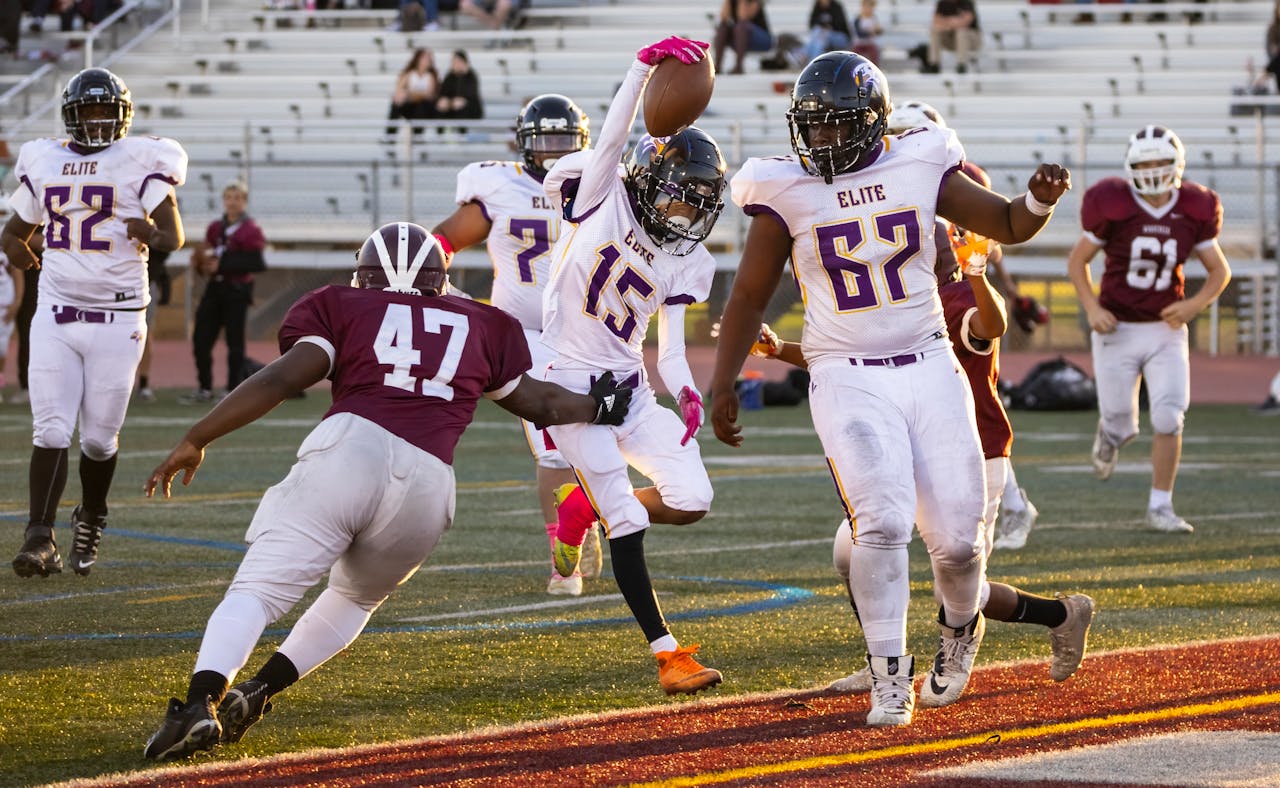
Once confident, players often double down. They increase stake size to reinforce their position. This escalation happens quickly in live markets. Confidence bias convinces them that persistence equals intelligence. Walking away feels like admitting error. Instead of protecting capital, players chase validation through continued exposure as the event unfolds.
Emotional Arousal Strengthens Bias
Live betting is emotional by design. Cheers, frustration, and tension affect cognition. Confidence bias thrives in this environment. Emotional arousal reduces critical thinking and increases reliance on gut feeling. Players feel connected to the outcome. This emotional loop makes confidence feel earned, even when decisions are driven more by excitement than evaluation.
Market Familiarity Feeds Overconfidence
Frequent in-play bettors often believe familiarity equals mastery. They recognize patterns. They remember past calls. Confidence bias turns experience into certainty. A unique situation may be treated as routine. Players assume they can anticipate shifts before odds adjust. This belief encourages risk-taking without proper recalibration of probabilities.
Awareness is the first corrective step. Players who pause briefly can ensure decisions are grounded in current conditions, not past success. Setting limits before events helps counter emotional momentum. Reviewing outcomes objectively reduces distortion. Confidence is not harmful by itself, but unchecked confidence bias can undermine long-term results with utmost efficiency, affecting judgment more often than expected.
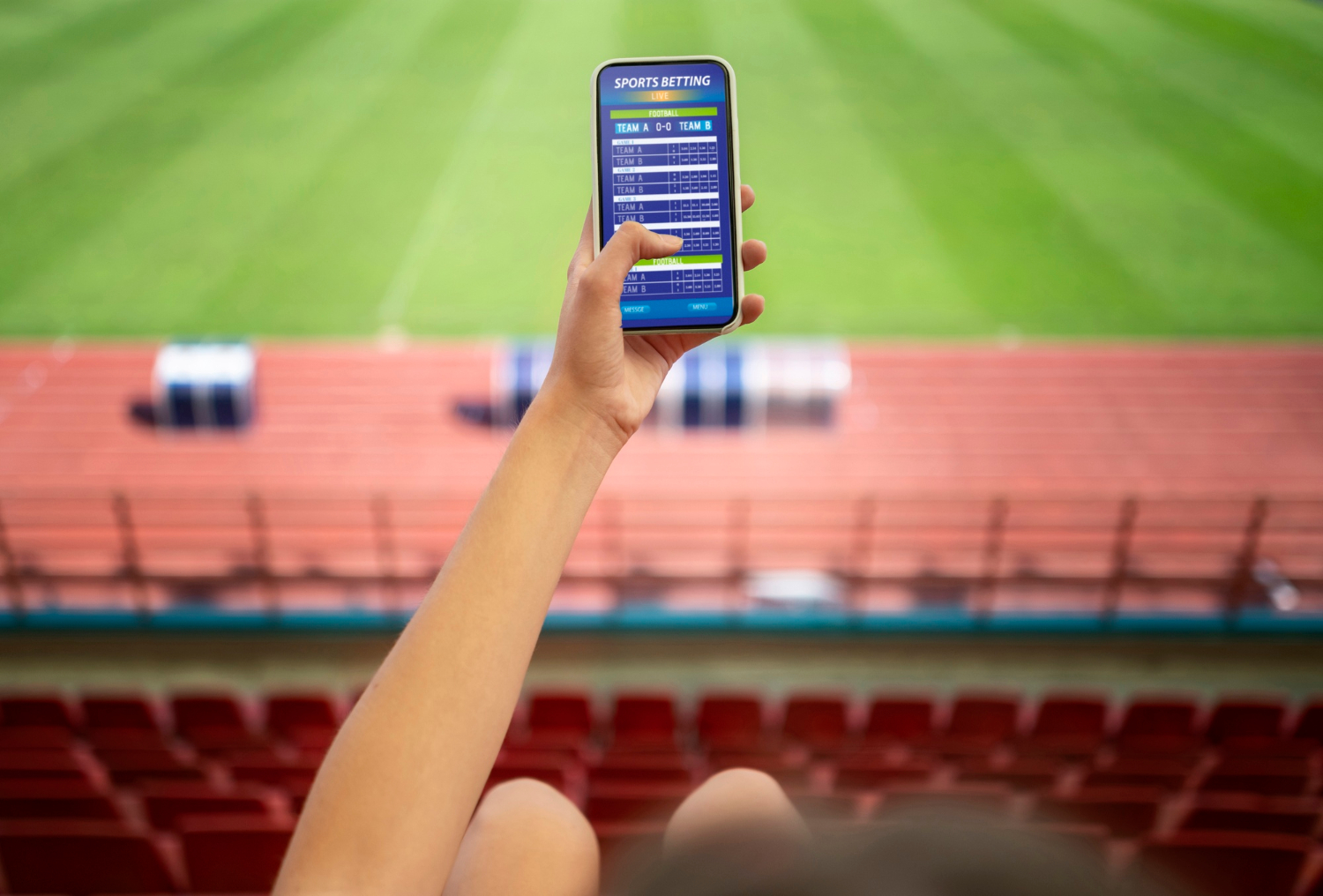
 Your safety starts with where you play. Always use betting apps that are fully licensed and regulated by recognized authorities. Licensed apps follow strict standards for fairness, privacy, and security, ensuring your personal data and funds are protected. These platforms also make payouts transparent and reliable, giving you peace of mind when you win. Avoid apps that seem suspicious or make big promises without proof. Unregulated platforms can manipulate odds or delay withdrawals, turning what should be fun into frustration. Taking a few minutes to verify a platform’s legitimacy is a small step.
 When using online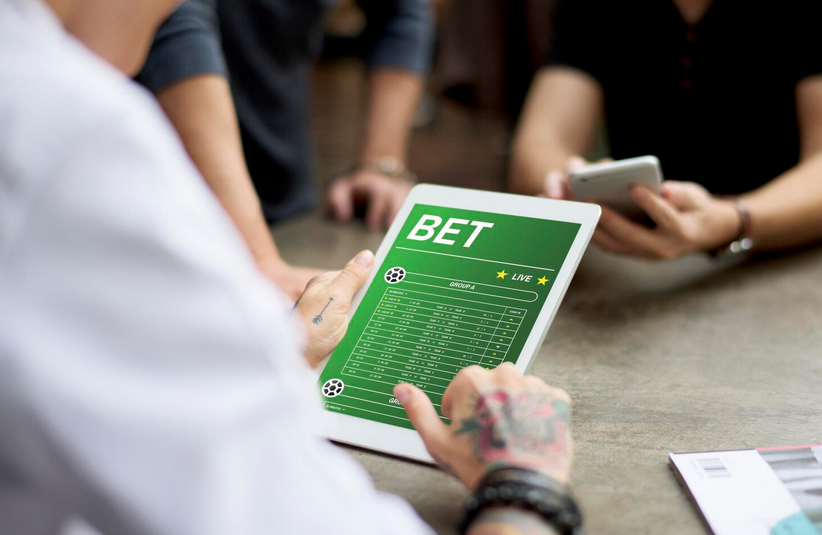
 Unlike static pre-game bets, in-play betting is fluid. Odds shift with every goal, foul, timeout, or turnover. If a football team falls behind early, its odds might lengthen, presenting an opportunity for bettors who believe a comeback is possible. This flexibility creates a more interactive experience. Bettors are no longer just predicting outcomes before the whistle but responding in real time to what they see. That unique element explains why many view live betting as more exciting and engaging than traditional wagers.
 Betting companies know that trust is essential for success. To maintain credibility, they rely on advanced monitoring systems that detect irregular patterns. Secure payment methods and strict compliance with regulations further protect users. Many operators introduce features like time-out options, reminders, and spending caps to help bettors manage their activity responsibly. These safeguards exist to ensure that the environment stays both entertaining and safe. The utmost attention is given to balancing innovation with player protection.