
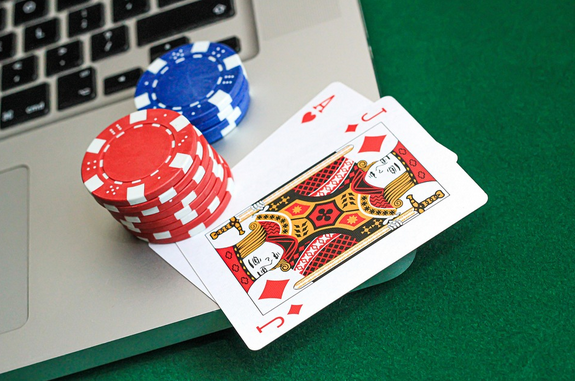
The world of online casinos is full of excitement, but it’s also surrounded by myths that can mislead even experienced players. Many believe that winning is purely a matter of luck or that certain strategies can guarantee consistent payouts. In reality, regulations and game mechanics play a much bigger role than most think, especially when it comes to playing, where licensing and fairness standards are strictly enforced. Debunking these misconceptions helps players make smarter choices and avoid unnecessary losses. In this article, we’ll explore some of the most common online casino myths and clarify what’s fact, what’s fiction, and how to play responsibly.
The Idea That Casinos Can Manipulate Outcomes
One of the most persistent myths is that online casinos can control game outcomes to their own advantage. In reality, reputable platforms operate under strict licensing and regulatory oversight, requiring them to use certified random number generators for their games. These algorithms ensure that each outcome is independent and statistically fair. While the house maintains a long-term advantage through game design, individual results cannot be altered to target specific players. Understanding this clarifies that online casino games are governed by predictable statistical principles rather than discretionary manipulation.
Belief in Winning Streaks or Hot and Cold Machines
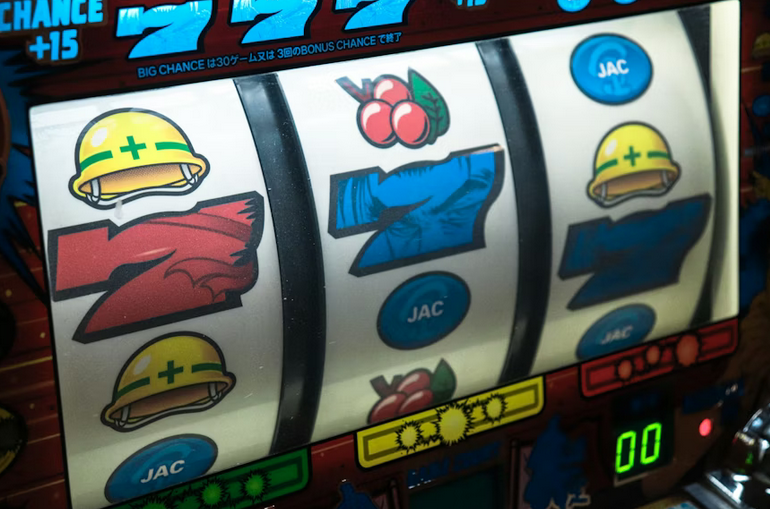
Many players assume that certain games are “hot” or “cold,” meaning they are more likely to pay out or withhold winnings based on recent outcomes. This misconception comes from observing short-term patterns and assuming they indicate trends. In reality, each spin, hand, or roll is independent, and previous results do not influence future outcomes. Randomness is inherent to every game, and no sequence of events can reliably predict a win or loss. Recognizing this helps players avoid chasing patterns that do not exist and reduces frustration caused by perceived inconsistencies.
The Myth That Larger Bets Increase Chances of Winning
Another common belief is that placing higher bets improves the likelihood of winning. While larger wagers can amplify potential returns, they do not alter the underlying probability of success. Online casino games are designed with fixed odds, meaning that the chance of a specific result remains constant regardless of bet size. Misinterpreting this concept can lead to risky behavior and unexpected losses. Understanding the distinction between potential payout and probability reinforces responsible gaming practices and a more realistic approach to betting.
Misconception About Bonus Exploitation

Players often think that bonuses can be used to secure guaranteed profits if wagered strategically. Wagering requirements, contribution percentages, and game restrictions make this unrealistic—casinos structure bonuses to provide extended gameplay while limiting the potential for risk-free gains. While bonuses offer additional opportunities, they do not bypass the fundamental statistical edge that the house holds. Recognizing the intended function of bonuses prevents disappointment and encourages players to view them as supplementary entertainment rather than assured income.
The False Belief That Past Losses Influence Future Wins
Some players believe that after a series of losses, a win is inevitable, which is often referred to as the gambler’s fallacy. This myth implies that chance will balance out in the short term, yet in independent games, every outcome is unaffected by previous results. Believing in this fallacy can lead to chasing losses and unnecessarily increasing stakes. Understanding that probability does not operate on a balancing mechanism is crucial for maintaining realistic expectations and avoiding impulsive betting behavior.
Online casino myths persist because of a combination of human intuition, anecdotal experience, and misinterpretation of random events. These misconceptions about game manipulation, streaks, betting strategies, and bonuses can distort players’ understanding of how online casinos operate. By examining the underlying mechanics and probabilities, it becomes clear that outcomes are determined by fairness, randomness, and structured rules rather than superstition or manipulation. Awareness of these truths promotes informed and responsible participation in online gaming.


 Double the heads, double the shots, and double the fun. What would be more exciting than going for twice? And that’s what you can try with your wife at a casino? With two people trying their luck at different tables or machines, there’s a higher probability that at least one person will be lucky enough to hit it big.
 We all know that once we hit a casino, managing a bankroll is like drinking all the water in the ocean: impossible! But, hey, you can always ask your wife to help manage the bankroll together. This means that both of you can keep an eye on each other’s spending and prevent overspending.

 Another thing to be aware of with non Gamstop casinos is that they do not offer self-exclusion services. If you are having a problem controlling your gambling, you may want to consider playing at one of the regulated sites that offer this service. Many people think that choosing to play at a non-Gamstop casino is a bad idea due to the lack of self-exclusion services. However, it is essential to note that these casinos can still be safe and secure places for you to gamble if you take the time to do your research. However, if you decide to take the risk and play at one of these sites, make sure you know how much money you are spending.
 The last thing to know about non-Gamstop casinos is that they offer more games than regulated sites. Because these sites are not regulated, they can offer various games and slots. This means players can access various options when playing at one of these sites. You can find many games from a variety of different developers, and this can add a lot to the experience. In fact, some people prefer to play at these sites because of the type that they offer. Some also have a favorite game that is not available at Gamstop-certified casinos.


