Live Dealer Dragon Tiger Guide Every Beginner Need to Learn

Live Dealer Dragon Tiger Guide Every Beginner Need to Learn post thumbnail image

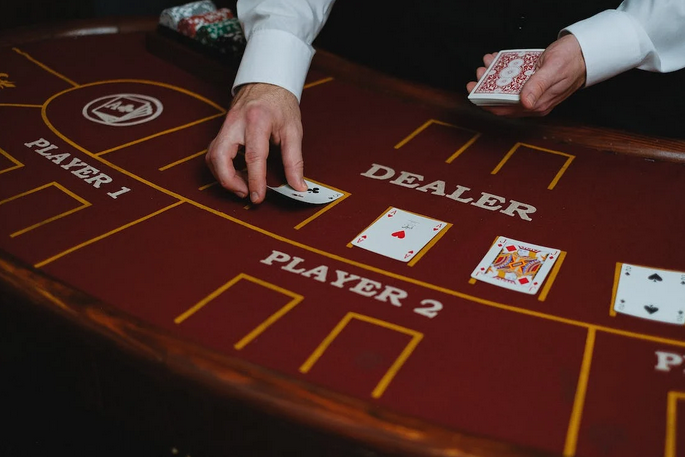
Before mastering this fun and exciting game, any beginner will certainly be at the head of the line if they understand the basics and learn the possibilities. The live dealer Dragon Tiger game at 먹튀컷 is a simple table card game that requires two cards, one for each side (Dragon and Tiger). But for some people, the idea might seem beyond their heads. That’s why we’re here to help. This guide will show you what it takes to master this fun and exciting game — an easy-to-follow strategy that could help win big. We have broken down each element of Live Dealer Dragon Tiger into a handy approach that anyone can understand and use. Let’s get the journey to becoming a pro started here.

Understanding the Basics

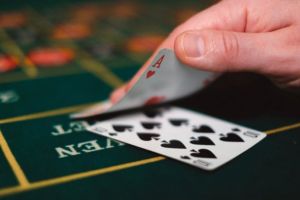
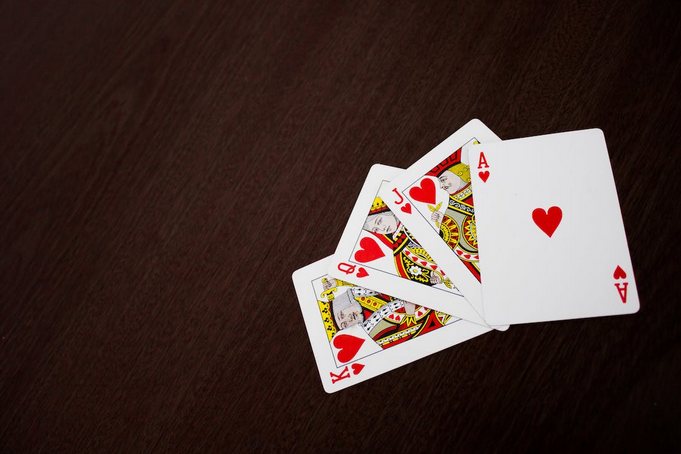
cardsLet’s start simple. Both players will place their bets on which hand will have the highest card value – either the dragon or tiger hand. After placing their respective bets, both hands will be revealed, and the winning hand is determined by who has the highest card value. The suit does not matter, just the numerical value of each card. In this game, the Ace card is ranked as the highest value (14 points) and the lowest being two (2 points). It’s important to remember that when a tie occurs, both sides will draw their bets.

Strategy for Winning Big at Dragon Tiger

When playing live dealer dragon tiger, it’s best to stick to a few simple strategies that can help increase your chances of winning. The first is to bet on the tiger side more often than the dragon. This strategy works because statistically, the house edge for the tiger side is lower and, therefore, will provide a better chance of success. It’s also important to note that if there is no tie, the house will always win. So it is wise to spread out your bets across both sides and come up with an optimal betting plan. As a general rule of thumb, bet smaller amounts on each side to reduce risk and increase potential gains.

live dealer

Simple Math to Help You Win

In Dragon Tiger, the key to success is all about understanding odds and probabilities. By doing a simple calculation with the cards in play, you can work out whether betting on the dragon or tiger side will yield better profits for that specific round. For example, if you had an Ace and a Nine card (worth 14 points in total) on the dragon side and a King and Jack card (worth 13 points in total) on the tiger side, you would know that betting on the dragon will yield better profits. In contrast, if you had two Ace cards (the highest value of 14 points) on both sides, it would be wise to spread your bets.

To sum up, live dealer Dragon Tiger is an exciting and fun game that can be enjoyed by anyone with a basic understanding of maths. But if you want to go further and put your shoes in the big leagues, you must develop a strategy and stick to it. Follow these key tips, and you will be well on your way to mastering this simple card game.

Related Post

Risk Tolerance Differences Between New and Experienced GamblersRisk Tolerance Differences Between New and Experienced Gamblers

Risk is central to gambling. Every wager carries uncertainty. Yet not all players approach risk in the same way. New gamblers often behave differently from experienced ones. Confidence levels, emotional control, and understanding of probability shape decision-making. Over time, exposure to wins and losses alters perception. Examining risk tolerance differences between new and experienced gamblers helps explain shifts in betting behavior. It also highlights the importance of awareness and discipline in managing uncertainty.

Early Excitement and Elevated Risk-Taking

New gamblers frequently approach the casino with curiosity and anticipation. The environment feels stimulating. Bright lights and fast-paced action create energy. This excitement can increase willingness to take larger risks. Without an extensive personal history of losses, new players may underestimate volatility. Small early wins can reinforce bold decisions. Confidence builds quickly. New gamblers sometimes view gambling as a short-term thrill rather than a long-term pattern. This perspective can lead to higher-risk wagers during initial sessions. Limited experience often means limited emotional calibration.

Learn Through Losses

Experience introduces perspective. Over time, gamblers encounter losing streaks. These losses influence future behavior. Emotional responses become more measured. Experienced players often develop realistic expectations about variance. They recognize that outcomes fluctuate regardless of strategy. Repeated exposure to both winning and losing sessions shapes tolerance levels. Risk becomes calculated rather than impulsive. Experience does not eliminate risk-taking, but it often refines it.

Bankroll Awareness and Financial Boundaries

New gamblers may lack structured bankroll strategies. They may enter sessions without defined spending limits. In contrast, experienced gamblers often set budgets. They understand that long-term sustainability requires boundaries. This difference reflects learning. Past experiences demonstrate how quickly funds can disappear. Financial discipline influences risk tolerance directly. Clear limits ensure that wagers remain proportionate. Experience fosters practical caution.

Emotional Regulation and Decision Control

Emotions play a significant role in gambling behavior. New players may react strongly to wins or losses. After a win, excitement can trigger increased bet sizes. After a loss, frustration may lead to chasing behavior. Experienced gamblers tend to recognize these emotional shifts earlier. They may pause or reduce stakes during heightened states. Emotional regulation strengthens with familiarity. Understanding personal triggers helps ensure steadier decisions. Risk tolerance becomes less reactive and more deliberate.

Perception of Skill and Control

New gamblers sometimes overestimate their influence on outcomes. Early success may create the illusion of skill dominance. Experienced players often develop a more nuanced understanding of probability. They differentiate between skill-based and chance-based games. This clarity shapes risk tolerance. Overconfidence declines as awareness grows. Perceived control strongly affects betting behavior. When players understand the limits of influence, risk becomes contextual rather than exaggerated. Experience recalibrates perception.

Adaptation and Strategic Adjustment

Experienced gamblers often adapt strategies based on observation and results. They may shift game choice or adjust bet sizing over time. New gamblers may experiment broadly without a structured approach. Adaptation reflects learning. It does not eliminate uncertainty, but it refines exposure. Risk tolerance stabilizes when behavior aligns with understanding. Each stage of the gambling experience influences the mindset differently.

Risk tolerance differs significantly between new and experienced gamblers. New players often display elevated excitement and impulsive risk-taking, while experienced gamblers develop structured bankroll strategies, emotional regulation, and realistic expectations. Experience refines perception of control and probability. Understanding these differences encourages responsible decision-making and greater awareness of how familiarity shapes betting behavior.

How Casino Loyalty Programs Are Designed to Influence Spending HabitsHow Casino Loyalty Programs Are Designed to Influence Spending Habits

Nearly every casino now offers some form of rewards system for regular players. Casino loyalty programs have become a major part of modern gambling, especially on platforms offering yono slot games and other online casino experiences. These programs may look simple at first. Players earn points, receive bonuses, or unlock special perks while gambling. However, loyalty programs are carefully designed tools built to influence player behavior and spending habits. Casinos understand that retaining existing customers is often more profitable than constantly finding new ones. Loyalty systems help create stronger player engagement by offering incentives that encourage longer sessions and repeat visits. Understanding how these programs work reveals how casinos combine marketing, psychology, and customer experience to shape gambling habits.

Reward Systems Encourage Continued Play

The main goal of casino loyalty programs is to encourage players to keep gambling. Every wager usually earns points that can later be exchanged for rewards. These rewards may include free spins, bonus credits, hotel stays, meals, or exclusive access to promotions. The structure feels simple, but it changes how players view spending. Instead of seeing money only as a gambling expense, players begin associating it with future rewards. Even small incentives can motivate continued activity. Many players feel encouraged to gamble longer because they are close to reaching another reward level. The desire to unlock bonuses often keeps sessions going beyond the original plan. Casinos design these systems carefully to create that sense of progress.

Tier Levels Create Motivation

Most casino loyalty programs include tier systems. Players move through different membership levels depending on how much they spend or how often they play. Higher tiers usually offer better rewards and exclusive treatment. This structure creates a strong psychological effect. Many players enjoy status and recognition. Reaching a higher level can feel rewarding even when the actual benefits are limited. Casinos often use names like Gold, Platinum, or VIP to make tiers feel prestigious. Some programs offer priority customer service, faster withdrawals, or invitations to special events. These perks create emotional value beyond direct financial rewards. Players may increase spending simply to maintain or improve their status. The loyalty program becomes part of the entertainment experience itself.

Personalized Offers Influence Behavior

Modern casinos collect large amounts of player data through loyalty programs. They track betting patterns, favorite games, session length, and spending habits. This information helps casinos create personalized promotions. A player who frequently enjoys slot games may receive free spins. Someone who plays table games may receive cashback or tournament invitations. Personalized promotions feel more relevant and appealing than general advertisements. This strategy increases engagement because players feel understood by the platform. Targeted offers can encourage users to return even after periods of inactivity. The experience becomes more customized and interactive over time.

Small Rewards Create Strong Reactions

One interesting aspect of casino loyalty programs is how effective small rewards can be. Free meals, minor cashback offers, or low-value bonuses often create strong emotional reactions despite their limited monetary value. The brain responds positively to rewards and recognition. Even modest incentives can make players feel appreciated. This emotional response strengthens attachment to the casino brand. Casinos understand that rewards do not always need to be large to influence behavior. Frequent small perks can sometimes feel more satisfying than rare major prizes. Consistent rewards help maintain player interest and create positive associations with gambling activity.

Digital Technology Strengthens Loyalty Systems

Online casinos have expanded loyalty programs far beyond traditional casino cards. Mobile apps, live notifications, and automated tracking systems now make rewards instantly visible. Players can monitor progress in real time while gambling. This immediate feedback increases engagement. Seeing point totals rise after every session creates a sense of momentum. Some platforms also include missions, achievements, or seasonal challenges. These features make gambling feel more interactive and game-like. Technology also allows casinos to communicate constantly with players. Promotional emails, personalized messages, and app notifications remind users about rewards waiting to be claimed. This continuous connection helps keep the casino present in the player’s mind.

Responsible Gambling Concerns Continue to Grow

While loyalty programs are effective marketing tools, they also raise concerns about responsible gambling. Critics argue that constant rewards may encourage excessive spending or make gambling habits harder to control. Some players may chase loyalty points instead of focusing on financial limits. The desire to maintain VIP status or unlock rewards can influence decision-making. This is why responsible gambling tools are becoming more important alongside loyalty systems. Many casinos now include spending limits, self-exclusion options, and account monitoring features. Regulators in several countries are also examining how loyalty programs should be managed. The challenge is balancing entertainment, customer retention, and player protection.

Casino loyalty programs are carefully designed systems that shape player behavior in many ways. Rewards, tier levels, personalized offers, and digital features all encourage continued engagement and repeat spending. These programs go beyond simple bonuses. They create emotional connections and influence how players experience gambling. Modern casinos rely heavily on loyalty systems to build long-term customer relationships. While these programs can improve entertainment and player satisfaction, they also highlight the importance of responsible gambling awareness. Understanding how loyalty programs work helps players recognize the strategies behind modern casino marketing.

Gambling

Why Do People Love Gambling?Why Do People Love Gambling?

Ever since ancient times of gladiators and Olympians, we humans were always involved with gambling, and it has survived the passage of time to be a timeless activity that many are still practicing to this day. Don’t you think that’s fascinating? How can betting something and taking the risk to earn double of what you’re wagering become so intriguing and engaging for mankind? Nowadays, sites are prevalent, and there’s a stable increase of people engaged in gambling. This brought up the elephant in the room. Why do people love gambling? Maybe this shortlist below could be the answer you’re looking for:

Tempting Fate and Chance

Caesar

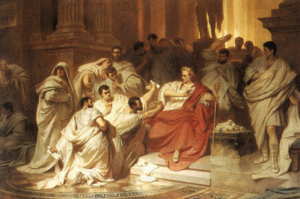
Humans have been known to challenge their fate and mortality, as can be derived from a myriad of movies and literature over several decades ago. These people who love to challenge fate and create their own chances are the backbone of our society; when you see conquerors like Genghis Khan, Napoleon Bonaparte, Julius Caesar, et al., they all share the same traits, and they make their own chances, instead of waiting for it to be presented to their lives.

Gambling might not be the same as riding to battle on a golden chariot pulled by a squad of war horses, but the notion is the same, and the game you’re playing is a microcosm of the battle itself. Players think of themselves as modern-day gladiators pitted against each other in the battle to test fate and win a favorable outcome that could change their lives. Just take a look at some of the biggest casino wins in history, they instantly became millionaires, and their lives are changed for the better, and it’s all because they’ve conquered their fate and make their own chances.

Monetary Gain and Amusement

It is well understood by now that we cannot survive living in a society with no finances where everything requires money. The worsening global financial condition and the accumulation of losses that everyday people face, such as failing to pay their mortgage, falling into debt, losing their jobs, etc., have made people realize they need a quick and simple way to boost their earnings. It seems that gambling has become the solution for many people.

Money

While it’s true that gambling is a risky shot, but it’s better than shooting in the dark; at least the rules and games are simple enough that even little kids can understand. With games like slot machines or bingo that are universally understood, players have a chance to earn double, triple, or even multiple times of their initial to pay their bills and clear their debts.

Then once they got the taste of winning, the game will be taken less seriously, and they start to have fun because they are not burdened anymore. This is where people start to develop an addiction towards gambling, and their winnings became their motivation. Suddenly, it’s not even about making money anymore; it’s about having fun and enjoying themselves playing something that they know and love.