

Day: November 26, 2026

Why Digital Games Often Preserve the Rituals of Their Physical CounterpartsWhy Digital Games Often Preserve the Rituals of Their Physical Counterparts

people

Digital games may change the way people play, but they often retain familiar rituals from their physical predecessors. A card game still involves taking turns, reading opponents, and waiting for the right moment to act, even when the cards exist only on a screen. These repeated behaviors create a sense of continuity, helping players recognize the experience despite changes in setting or technology. Platforms such as Diwa King illustrate how digital environments can preserve familiar game structures while adapting them for online participation. The persistence of these rituals shows that a game’s appeal often lies not only in its rules, but also in the habits and expectations players bring to it.

How Rituals Establish Structure and Expectations

Rituals provide a predictable framework for how players interact. In traditional board games, for example, arranging pieces and deciding who plays first helps mark the start of a session. Digital versions may reproduce these actions through virtual boards, animations, or introductory screens. Although the process may be automated, the underlying sequence remains recognizable. These repeated actions create continuity between sessions and help participants understand their roles without needing to reconsider the entire structure each time they play.

people

The Influence of Shared Cultural Memory

Physical games often carry memories of family gatherings, friendships, celebrations, and familiar social environments. Their rituals can become connected to particular periods of life or relationships. Digital adaptations may preserve these associations by retaining recognizable symbols, sounds, terminology, and traditional gameplay sequences. A familiar visual arrangement or customary opening action …
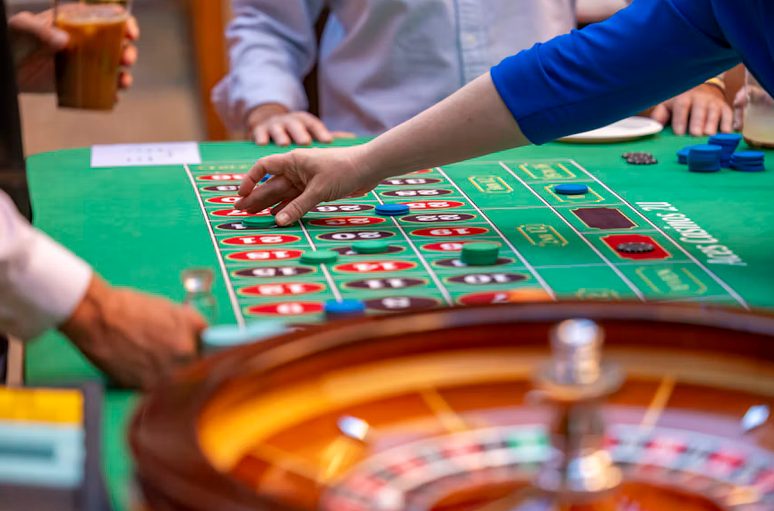
How Casino Tournament Formats Determine Player Rankings and Prize DistributionHow Casino Tournament Formats Determine Player Rankings and Prize Distribution

gambling scene

Casino tournaments introduce a competitive structure to games that normally involve individual play. Instead of focusing only on personal results, participants compete against others under a shared set of rules. Their performance is measured through scores, accumulated points, completed rounds, or other ranking systems. At the end of the competition, these results determine player positions and how available prizes are distributed. However, not all casino tournaments follow the same format. Some use fixed scores, while others calculate rankings based on accumulated winnings or performance over several rounds. The tournament structure influences how players participate, how results are evaluated, and who receives rewards. Understanding these systems helps explain why two competitions involving similar casino games can produce very different rankings and prize outcomes.

Understanding Different Tournament Formats

The tournament format on Diwa Spin, for instance, establishes the basic structure of a casino competition. It determines how participants enter, how long the event runs, and what they must accomplish to achieve a competitive position. One common format is the leaderboard tournament. Players compete over a defined period, and their results are recorded on a ranking board. The participant with the highest qualifying score or performance total usually occupies the leading position. Other formats use elimination rounds, where participants must meet specific requirements to continue competing. Some tournaments also follow a scheduled structure. Players participate in several rounds at designated times, with results from each stage contributing to their overall standing. These arrangements create different competitive conditions. A short event may reward …