
How Casino Tournament Formats Determine Player Rankings and Prize Distribution

How Casino Tournament Formats Determine Player Rankings and Prize Distribution post thumbnail image

Casino tournaments introduce a competitive structure to games that normally involve individual play. Instead of focusing only on personal results, participants compete against others under a shared set of rules. Their performance is measured through scores, accumulated points, completed rounds, or other ranking systems. At the end of the competition, these results determine player positions and how available prizes are distributed. However, not all casino tournaments follow the same format. Some use fixed scores, while others calculate rankings based on accumulated winnings or performance over several rounds. The tournament structure influences how players participate, how results are evaluated, and who receives rewards. Understanding these systems helps explain why two competitions involving similar casino games can produce very different rankings and prize outcomes.

Understanding Different Tournament Formats

The tournament format on Diwa Spin, for instance, establishes the basic structure of a casino competition. It determines how participants enter, how long the event runs, and what they must accomplish to achieve a competitive position. One common format is the leaderboard tournament. Players compete over a defined period, and their results are recorded on a ranking board. The participant with the highest qualifying score or performance total usually occupies the leading position. Other formats use elimination rounds, where participants must meet specific requirements to continue competing. Some tournaments also follow a scheduled structure. Players participate in several rounds at designated times, with results from each stage contributing to their overall standing. These arrangements create different competitive conditions. A short event may reward immediate performance, while a multi-round tournament places greater emphasis on consistency.

Measuring Performance Through Scoring Systems

Scoring systems determine how tournament organizers evaluate participant performance. The selected method depends on the casino game and the competition’s objectives. In slot tournaments, players may receive points for qualifying wins, specific combinations, or other game outcomes. Some events use the total points accumulated during a fixed number of spins. Others calculate scores through a predetermined formula that assigns different values to particular results. Table game tournaments may use different measurement methods. Blackjack competitions, for example, can evaluate players through chip totals after a series of rounds. Poker tournaments commonly track chip stacks, with participants ranked according to their remaining chips. These systems create a measurable basis for comparison. They also establish which actions contribute to a player’s standing. Clear scoring rules are important because participants need to understand how their performance translates into tournament points or rankings.

Establishing Rankings Through Competition Rules

Player rankings are generally determined by comparing the results recorded throughout the tournament. However, the exact process varies according to the event format. In a leaderboard competition, the ranking system may automatically update whenever a participant earns additional points. This allows players to monitor their position while the tournament is active. A player who performs well early may lead temporarily, but others can overtake that position through later results. Elimination tournaments follow a different approach. Participants who fail to meet the required conditions may leave the competition, reducing the number of remaining players. Those who advance continue competing until the final stage determines the highest-ranked participants. Some events also include tie-breaking rules. When two or more players finish with identical scores, organizers may consider additional criteria, such as the highest individual result or the time needed to reach a particular score. These provisions help establish a final ranking without leaving the outcome unclear.

Distributing Prizes Across Ranked Positions

Prize distribution explains how the tournament’s available rewards are allocated among successful participants. Organizers usually announce the prize structure before the event begins. Some tournaments award the largest prize to the first-place finisher, with smaller rewards assigned to lower positions. This arrangement is known as a tiered prize structure. It recognizes several participants while maintaining a clear distinction between rankings. Other competitions offer a winner-takes-all arrangement. Under this model, the highest-ranked player receives the entire designated prize pool. Although straightforward, this structure creates a different incentive because lower placements do not receive a share of the main reward. Prize pools may also use fixed amounts or depend on the number of eligible entries. In some events, organizers contribute a predetermined reward regardless of participation. Others calculate the available pool using qualifying entry fees, subject to the platform’s published terms. Understanding these arrangements helps participants identify how final standings affect their potential rewards.

Comparing Individual and Multi-Round Tournament Structures

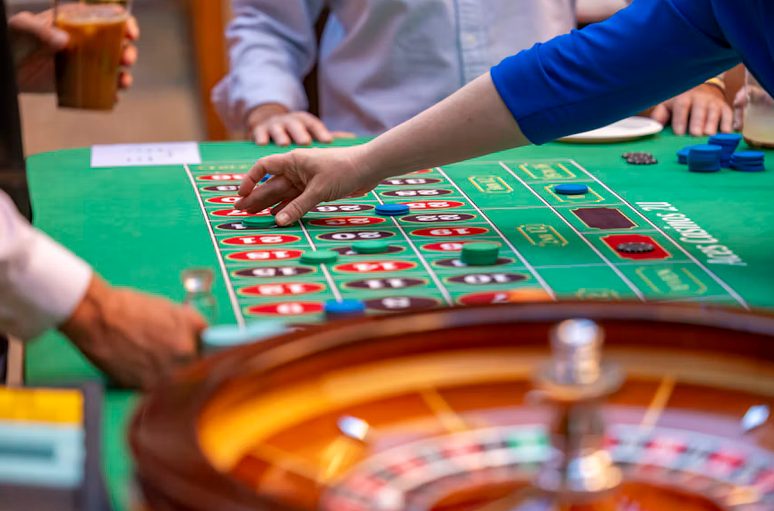
gamblers gathering on a table

Individual tournaments usually evaluate players through one continuous competition. Their final positions depend on the results achieved within the event’s designated period. These formats are relatively simple to follow because participants compete under one main scoring system. Multi-round tournaments introduce additional stages. Players may need to qualify through preliminary rounds before reaching the semifinals or final. Performance in earlier stages determines who advances, while later rounds establish the final rankings. Some competitions carry scores from one stage into another. Others reset the scoring system after each round. This distinction can significantly influence the importance of early performance. For example, a player who earns a strong score during qualification may retain an advantage if points carry forward. In a tournament with resets, everyone entering the next stage starts under the same scoring conditions. Organizers use these structures to create different competitive experiences while maintaining consistent rules.

Reviewing Tournament Transparency and Conditions

Tournament rules should explain how rankings are calculated, when scores are updated, and how prizes are awarded. Without clear information, participants may struggle to understand why certain players finish above others. Published conditions should also cover eligibility, participation limits, event duration, tie-breaking procedures, and prize collection requirements. If technical interruptions or disputed results occur, the rules should explain how organizers handle them. Participants should check whether rewards are cash prizes, promotional credits, or other benefits. These categories may have different withdrawal conditions and restrictions. A displayed prize amount does not always represent immediately withdrawable money.

Casino tournament formats provide the framework for measuring performance and distributing rewards. Scoring methods establish player results, ranking systems compare those results, and prize structures determine the value assigned to each position. Understanding these connected elements helps participants follow competitions more clearly and recognize how tournament rules influence the final outcome.



Related Post

Common Online Casino Myths That Players Still BelieveCommon Online Casino Myths That Players Still Believe

The world of online casinos is full of excitement, but it’s also surrounded by myths that can mislead even experienced players. Many believe that winning is purely a matter of luck or that certain strategies can guarantee consistent payouts. In reality, regulations and game mechanics play a much bigger role than most think, especially when it comes to playing, where licensing and fairness standards are strictly enforced. Debunking these misconceptions helps players make smarter choices and avoid unnecessary losses. In this article, we’ll explore some of the most common online casino myths and clarify what’s fact, what’s fiction, and how to play responsibly.

The Idea That Casinos Can Manipulate Outcomes

One of the most persistent myths is that online casinos can control game outcomes to their own advantage. In reality, reputable platforms operate under strict licensing and regulatory oversight, requiring them to use certified random number generators for their games. These algorithms ensure that each outcome is independent and statistically fair. While the house maintains a long-term advantage through game design, individual results cannot be altered to target specific players. Understanding this clarifies that online casino games are governed by predictable statistical principles rather than discretionary manipulation.

Belief in Winning Streaks or Hot and Cold Machines

Many players assume that certain games are “hot” or “cold,” meaning they are more likely to pay out or withhold winnings based on recent outcomes. This misconception comes from observing short-term patterns and assuming they indicate trends. In reality, each spin, hand, or roll is independent, and previous results do not influence future outcomes. Randomness is inherent to every game, and no sequence of events can reliably predict a win or loss. Recognizing this helps players avoid chasing patterns that do not exist and reduces frustration caused by perceived inconsistencies.

The Myth That Larger Bets Increase Chances of Winning

Another common belief is that placing higher bets improves the likelihood of winning. While larger wagers can amplify potential returns, they do not alter the underlying probability of success. Online casino games are designed with fixed odds, meaning that the chance of a specific result remains constant regardless of bet size. Misinterpreting this concept can lead to risky behavior and unexpected losses. Understanding the distinction between potential payout and probability reinforces responsible gaming practices and a more realistic approach to betting.

Misconception About Bonus Exploitation

casino bonus

Players often think that bonuses can be used to secure guaranteed profits if wagered strategically. Wagering requirements, contribution percentages, and game restrictions make this unrealistic—casinos structure bonuses to provide extended gameplay while limiting the potential for risk-free gains. While bonuses offer additional opportunities, they do not bypass the fundamental statistical edge that the house holds. Recognizing the intended function of bonuses prevents disappointment and encourages players to view them as supplementary entertainment rather than assured income.

The False Belief That Past Losses Influence Future Wins

Some players believe that after a series of losses, a win is inevitable, which is often referred to as the gambler’s fallacy. This myth implies that chance will balance out in the short term, yet in independent games, every outcome is unaffected by previous results. Believing in this fallacy can lead to chasing losses and unnecessarily increasing stakes. Understanding that probability does not operate on a balancing mechanism is crucial for maintaining realistic expectations and avoiding impulsive betting behavior.

Online casino myths persist because of a combination of human intuition, anecdotal experience, and misinterpretation of random events. These misconceptions about game manipulation, streaks, betting strategies, and bonuses can distort players’ understanding of how online casinos operate. By examining the underlying mechanics and probabilities, it becomes clear that outcomes are determined by fairness, randomness, and structured rules rather than superstition or manipulation. Awareness of these truths promotes informed and responsible participation in online gaming.

Risk Tolerance Differences Between New and Experienced GamblersRisk Tolerance Differences Between New and Experienced Gamblers

Risk is central to gambling. Every wager carries uncertainty. Yet not all players approach risk in the same way. New gamblers often behave differently from experienced ones. Confidence levels, emotional control, and understanding of probability shape decision-making. Over time, exposure to wins and losses alters perception. Examining risk tolerance differences between new and experienced gamblers helps explain shifts in betting behavior. It also highlights the importance of awareness and discipline in managing uncertainty.

Early Excitement and Elevated Risk-Taking

New gamblers frequently approach the casino with curiosity and anticipation. The environment feels stimulating. Bright lights and fast-paced action create energy. This excitement can increase willingness to take larger risks. Without an extensive personal history of losses, new players may underestimate volatility. Small early wins can reinforce bold decisions. Confidence builds quickly. New gamblers sometimes view gambling as a short-term thrill rather than a long-term pattern. This perspective can lead to higher-risk wagers during initial sessions. Limited experience often means limited emotional calibration.

Learn Through Losses

Experience introduces perspective. Over time, gamblers encounter losing streaks. These losses influence future behavior. Emotional responses become more measured. Experienced players often develop realistic expectations about variance. They recognize that outcomes fluctuate regardless of strategy. Repeated exposure to both winning and losing sessions shapes tolerance levels. Risk becomes calculated rather than impulsive. Experience does not eliminate risk-taking, but it often refines it.

Bankroll Awareness and Financial Boundaries

New gamblers may lack structured bankroll strategies. They may enter sessions without defined spending limits. In contrast, experienced gamblers often set budgets. They understand that long-term sustainability requires boundaries. This difference reflects learning. Past experiences demonstrate how quickly funds can disappear. Financial discipline influences risk tolerance directly. Clear limits ensure that wagers remain proportionate. Experience fosters practical caution.

Emotional Regulation and Decision Control

Emotions play a significant role in gambling behavior. New players may react strongly to wins or losses. After a win, excitement can trigger increased bet sizes. After a loss, frustration may lead to chasing behavior. Experienced gamblers tend to recognize these emotional shifts earlier. They may pause or reduce stakes during heightened states. Emotional regulation strengthens with familiarity. Understanding personal triggers helps ensure steadier decisions. Risk tolerance becomes less reactive and more deliberate.

Perception of Skill and Control

New gamblers sometimes overestimate their influence on outcomes. Early success may create the illusion of skill dominance. Experienced players often develop a more nuanced understanding of probability. They differentiate between skill-based and chance-based games. This clarity shapes risk tolerance. Overconfidence declines as awareness grows. Perceived control strongly affects betting behavior. When players understand the limits of influence, risk becomes contextual rather than exaggerated. Experience recalibrates perception.

Adaptation and Strategic Adjustment

Experienced gamblers often adapt strategies based on observation and results. They may shift game choice or adjust bet sizing over time. New gamblers may experiment broadly without a structured approach. Adaptation reflects learning. It does not eliminate uncertainty, but it refines exposure. Risk tolerance stabilizes when behavior aligns with understanding. Each stage of the gambling experience influences the mindset differently.

Risk tolerance differs significantly between new and experienced gamblers. New players often display elevated excitement and impulsive risk-taking, while experienced gamblers develop structured bankroll strategies, emotional regulation, and realistic expectations. Experience refines perception of control and probability. Understanding these differences encourages responsible decision-making and greater awareness of how familiarity shapes betting behavior.

casino buildings

How to Choose the Best Casino: An Expert’s GuideHow to Choose the Best Casino: An Expert’s Guide

Many casinos to choose from, but the best casino is always up to your personal preference. The internet has made it easier than ever before to research different casinos and find out which ones offer the best casino gambling experience. Remember these tips when choosing a casino so that you can get the most out of your experience!

Figure Out What You Want to Play

casino hallIf you want to play the games that your local casino offers, then look for a casino near you. If you are open to playing online or traveling farther away from home, then check out some of our other top picks. You should also consider what types of casinos suit your gambling tastes best: those with table games and dealers? You should know that live poker games are becoming more popular. Also, look for casinos that feature the types of online games you want to play, such as slots or blackjack. There are plenty out there! The last thing you should do is check whether your local casino has a particular game that’s not available at other places close by. You can try to find a casino that will cater to your specific needs.

Know Your Budget

Before you start your research, consider the maximum amount of money you want to spend on a casino. This will narrow down the search and help you find something that offers as much as possible for your budget without going overboard. This way, you can ensure that the casino offers a wide variety of games and services while keeping your money safe. Another essential thing to consider is what kind of bonuses are available on top of your initial deposit. Make sure to find out if there will be any welcome bonus or other promotions at play before signing up with a particular online casino. These freebies can help you get a good start and keep playing, even if the casino doesn’t suit your needs.

Consider Some Special Promotions

a female dealerIt’s also essential to look for casinos that offer promotions regularly. These kinds of bonuses are usually easily achievable without too much hassle. In most cases, all you have to do is visit the online casino regularly to collect loyalty points. These can be redeemed for all kinds of rewards, including free casino cash or spins that you can use when playing specific games.

So, now you know the best way to choose a casino. It’s time to play! If you want some more information on how we came up with these tips and tricks, or if you need help choosing which one is right for your needs, don’t hesitate to reach out here!